

(08) 9248 9929
admin@compest.com.au
The Dreaded Bed Bug
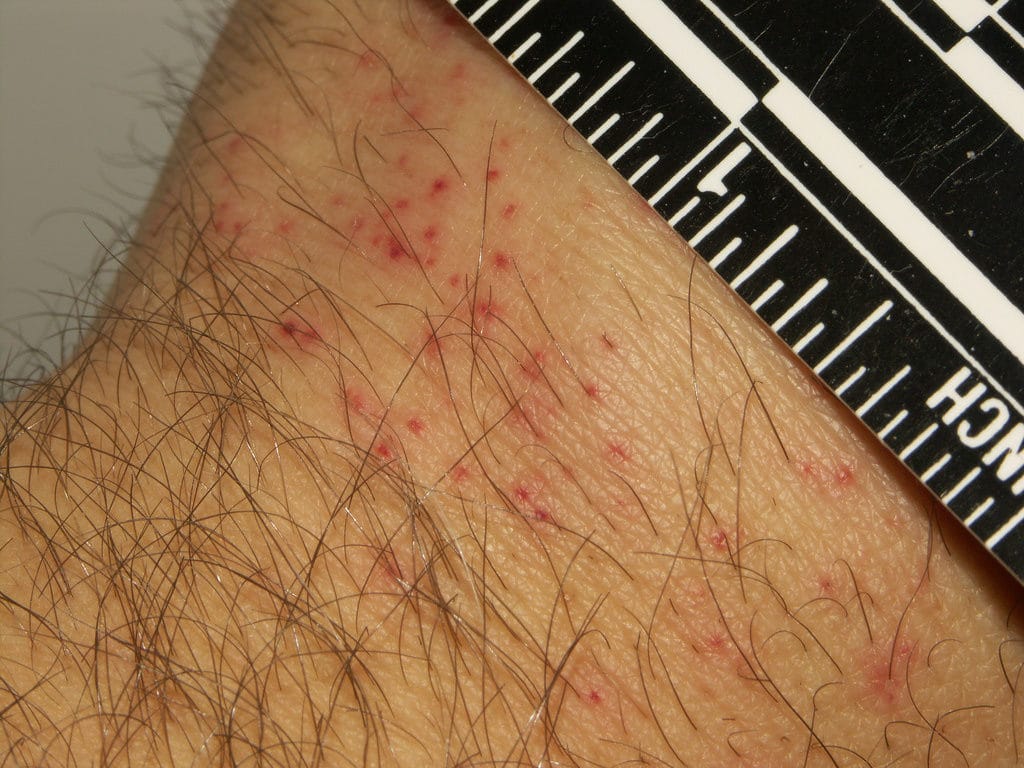
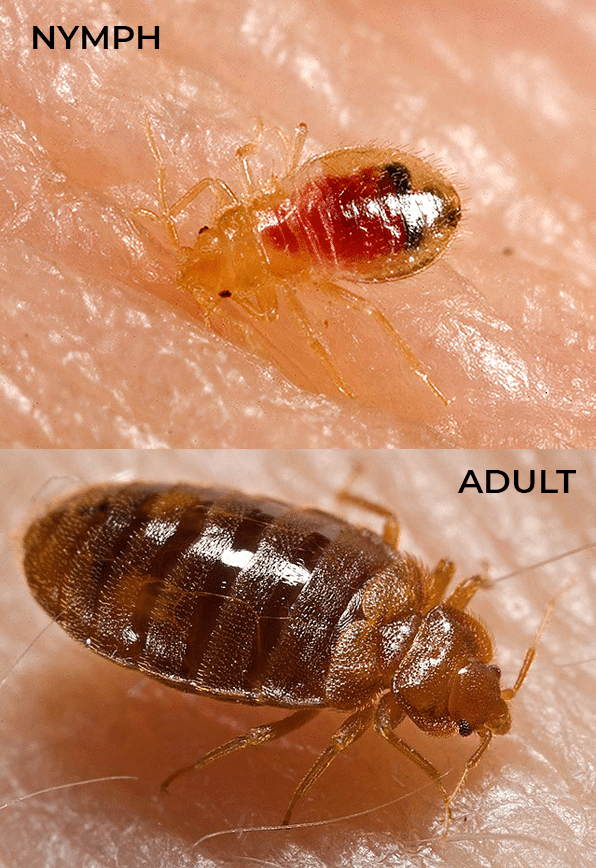
Bed bugs are small parasitic insects that feed on human blood by piercing the skin. They do not live on humans or burrow into the skin. They are very mobile, but only move short distances to feed, so are commonly found near food (blood) sources.
Non-chemical treatments
Regular inspections of mattresses and other areas are essential. If bed linen is infested, wash the items in hot water and then tumble dry on high for at least 40 minutes. A steam iron may also be used on the seams of mattresses or other items where there is stitching or folds in material.
Thorough vacuuming of carpet edges, skirting boards and all cracks and crevices using a vacuum cleaner with a disposable dust bag is important for removing bed bugs and their eggs. Seal the dust bag in plastic and dispose in your council refuse bin.
Disposal of infested objects such as bed heads to landfill is an option, where other methods have not been effective. It is important to wrap the object first so as not to spread the infestation during transport.
Chemical treatments
We use a range of low toxicity products such as synthetic pyrethroids and carbamates for use indoors. Regular pesticides do not kill bed bug eggs, so residual products are more effective than non-residual products, as these will kill immature bed bugs once the eggs have hatched.
After the initial treatment, a follow-up inspection must be carried out to determine if further bed bugs or eggs are present. In most cases, repeat treatments are required to control bed bugs.
We offer a 100% satisfaction guarantee that we will solve any bed bug problem!
Are you regional?
We can help with specialised pest control services for regional businesses, and we even have our own plane! Give us a call and we'd be happy to see if we can help with your particular requirements.